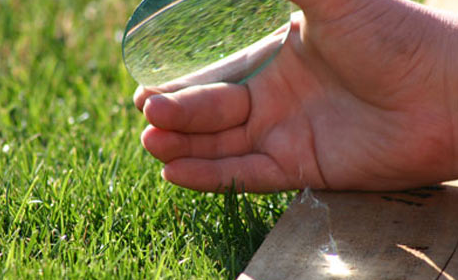
Pada saat kondisi survival anda dituntut agar bisa membuat api tanpa menggunakan korek api. Demi menjaga kelangsungan hidup, kemampuan membuat api tanpa korek api harus bisa dikuasai dalam kondisi survival.
Membuat api tanpa korek api ini sendiri pastinya sudah tidak asing lagi karena sudah sering didengar di sejarah peradapan manusia purba. Terlebih ketika kamu berada di hutan, gunung, gurun pasir maka harus tahu cara membuat api.
Teknik survival membuat api harus dikuasai ketika kamu ada di alam bebas. Setiap orang membutuhkan api untuk menghangatkan badan, memasak, obor sebagai cahaya malam, mengeringkan kain basah, dan lainnya.
4 Metode Membuat Api Tanpa Korek Api
Teknik membuat api tanpa korek api menggunakan gesekan tongkat tidak mudah. Bahkan membuat percikan api dengan serat atau kayu, pasti lebih sulit.
Ada beberapa metode yang bisa dipelajari bagi survival untuk membuat api. Anda cukup menyiapkan beberapa bahan yang mudah didapat dengan mengandalkan metode lensa.
Bagi yang belum tahu metode lensa ini mengandalkan teknik pemantulan sinar matahari. Teknik pembiasan ini tentunya sudah tidak asing lagi karena sudah pernah didapatkan di bangku sekolah.
Pada kesempatan kali ini akan dijelaskan mengenai metode membuat api dengan pembiasan lensa. Selengkapnya bisa simak ulasannya berikut ini :
-
Metode lensa dengan botol air dan kertas
Langkah pertama yang bisa kamu lakukan untuk membuat api tanpa korek api adalah dengan mengandalkan botol air dan kertas.
- Silahkan siapkan botol air yang berisi air
- Sediakan 3 lebar kertas dengan tinta hitam
- Semakin hitam warna kertas, semakin efektif untuk menyerap panas
- Botol yang digunakan harus halus, bening, dan bulat
Setelah menyiapkan semua bahan, selanjutnya proses membuat apinya. Lebih lengkapnya bisa ikuti langkah-langkah berikut :
- Silahkan lipat kertas dengan menempatkan bagian warna hitam di atas. Nantinya warna hitam inilah yang akan menghadap ke matahari.
- Siapak 2 sobekan kertas yang dilipat menjadi 2
- Silahkan menggunakan tepi cembung botol untuk kaca membesar agar dibiaskan sinar matahari
- Silahkan fokuskan sinar matahari ke kertas warna hitam. Silahkan menggeser botol agar menemukan titik bias yang pas.
- Lakukan hal tersebut sampai muncul asap api dan apinya menyala membesar.
-
Mengandalkan ES
Kamu bisa mengandalkan es untuk membuat api. Bagi kamu yang baru mendengar hal ini pasti tidak percaya bahkan tampak mustahil. Sebenarnya kamu bisa membuat es ini menjadi lensa yang biasa dilakukan masyarakat di musim salju.
Proses penggunaannya bisa simak ulasan berikut ini :
- Memilih es batu yang jernih
- Silahkan membentuk es menjadi cembung.
- Selanjutnya silahkan hadapkan ke matahari agar cahaya bisa ke sumbu
- Akhirnya api bisa menyala menggunakan metode es
-
Menggunakan Metode Lensa
Ketika di hutan kamu perlu api untuk memenuhi segala kebutuhan. Nah, metode membuat api selanjutnya kamu bisa mengandalkan lensa. Alat lensa ini berperan untuk memfokuskan sinar matahari untuk membuat api.
Cara pembuatan metode lensa dirasa lebih mudah karena tinggal memfokuskan sinar matahari ke sumbu. Ketika sudah menyala apinya anda tinggal menambahkan daun kering agar apinya semakin besar.
-
Kaleng Soda
Metode selanjutnya yang bisa kamu terapkan saat survival di hutan adalah menggunakan kaleng soda. Kamu bisa memanfaatkan bagian dasar kaleng soda untuk dijadikan cermin.
Nantinya cermin kaleng soda ini bisa fokus untuk membuat api dengan pantulan sinar matahari. Agar prosesnya bisa berhasil anda membutuhkan kaleng soda dan coklat sebagai pengganti zat polishing.
Nah, cara untuk membuat api dari kaleng soda bisa ikuti langkah-langkah berikut ini :
- Langkah pertama siapkan bagian bawah kaleng yang mengkilap.
- Jangan lupa untuk memoles bagian bawah kaleng menggunakan coklat.
- Setelah di poles bersihkan bagian bawah kaleng agar lebih mengkilap seperti cermin.
- Saatnya memantulkan sinar matahari pada sumbu atau menggunakan kertas yang diberi tinta hitam.
- Menggunakan cermin dari kaleng, anda bisa fokuskan sinar dengan sumbu agar bisa terbentuk asap.
Dalam kondisi survival semua orang pasti membutuhkan api sebagai sumber kehidupan. Ada banyak cara yang sebenarnya bisa kamu lakukan untuk membuat api. Ada 4 metode lensa yang bisa kamu lakukan untuk membuat api.
Metode lensa hanya bisa dilakukan pada siang hari dengan bantuan sinar matahari. Sehingga metode lensa ini tidak bisa kalau dipraktekan pada saat mendung atau malam hari.
Ada banyak manfaat membuat api di alam bebas, diantaranya :
- Mulai untuk memasak makanan
- Membuat api unggun untuk mengatur kehangatan
- Sebagai lampu penerangan
- Untuk melancarkan acara seperti kemah dan lainnya
Demikianlah penjelasan mengenai beberapa metode lensa untuk membuat api tanpa korek di alam bebas. Ada banyak sekali manfaat membuat api saat survival di alam bebas. Pastinya kemampuan membuat api ini harus dikuasai agar setiap saat membutuhkan api bisa langsung terpenuhi.