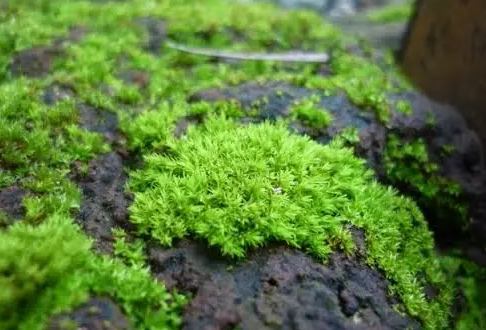
Bagi para survival pastinya sudah tidak asing lagi yang namanya lumut di hutan. Keberadaan lumut ini jangan sampai dianggap sebelah mata karena kamu bisa memanfaatkannya. Terlebih dalam situasi darurat kamu bisa memanfaatkan lumut untuk banyak hal.
Apakah kamu sudah tahu tentang tumbuhan lumut di hutan? Tumbuhan lumut ini bisa tumbuh di batu, tanah, pohon, dan lainnya. lantas, apa manfaat tumbuhan lumut bagi survival?
Manfaat Tumbuhan Lumut Bagi Survival di Alam Bebas
Pada kesempatan kali ini akan dijelaskan mengenai beberapa manfaat tumbuhan lumut bagi survival. Selengkapnya bisa simak ulasannya berikut ini :
-
Sebagai Sumber Air Untuk Minum
Lumut merupakan salah satu tamanan yang menyerap air secara efektif sehingga airnya aman untuk diminum. Sebagai survival, menggunakan lumut adalah cara paling efektif untuk mendapatkan air minum. Tanaman lumut di hutan biasanya membentuk hamparan seperti karet yang bisa menyerap air.
Lumut ini memiliki sifat asam sehingga tidak ada bakteri yang mampu tumbuh di dalam lumut. Kumpulan lumut yang masih basah bisa diperas lalu anda kumpulkan airnya.
Proses memerasnya anda bisa menggunakan kain bersih sebagai saringan. Sehingga air yang didapatkan pun sudah bersih dan jernih. Ketika airnya sudah banyak, kamu bisa langsung meminumnya.
-
Lumut Bisa Sebagai Pengganti Kapas
Tumbuhan lumut ini merupakan salah satu tumbuhan yang memiliki daya serap yang cukup tinggi. Bagi survival biasanya lumut ini digunakan sebagai pengganti kapas ketika sedang terluka.
Di hutan ada banyak jenis lumut yang bisa kamu manfaatkan sebagai pengganti kapas untuk menutup luka. Salah satu jenis lumut yang banyak digunakan ini seperti lumut gambut yang bisa dimanfaatkan untuk perban menutup luka.
Perlu anda ketahui bahwa lumut ini memiliki kandungan antiseptik dan yodium alami untuk sterilkan luka. Lebih amannya kamu bisa balut luka dengan lumut dan dibalut dengan kain agar tidak jatuh.
Lumut kering juga bisa dimanfaatkan survival perempuan sebagai pembalut. Anda bisa bungkus lumut kering dengan kain dan bisa digunakan sebagai pembalut dikala darurat. Proses pergantiannya cukup membuang lumut lalu bersihkan dan ganti dengan lumut kering yang baru.
-
Sebagai Petunjuk Arah
Sebagai survival harus tahu tentang arah ketika berada di hutan. Nah, untuk mempermudah arah bisa memanfaatkan lumut yang ada di hutan sebagai pengganti kompas.
Lumut merupakan tumbuhan yang suka kelembapan sehingga akan menyerap air dan menghindari matahari. Kalau tumbuhan selalu menghadap ke matahari untuk proses fotosintesi, maka lumut akan mengarah ke barat untuk menghindari matahari.
-
Sebagai Pelindung dari Air
Hal unik dari tumbuhan lumut adalah walau suka di tempat lembab namun lumut ini memiliki sifat anti air. Kamu bisa memanfaatkan lumut ini untuk melapisi tenda darurat agar tetap kering.
Silahkan untuk mengambil potongan lumut yang besar agar lebih mudah untuk menutup tenda. Akar lumut ini bisa merekat pada permukaan yang keras sehingga dalam waktu 1 hari lumut bisa tumbuh dan melapisi tenda.
Selain melapisi tenda untuk perlindungan dari air, kamu bisa memanfaatkan lumut sebagai penyamaran tenda darurat. Penyamaran ini sangat penting agar tenda darurat terbebas dari perhatian hewan buas.
-
Lumut bisa dijadikan sebagai bahan bakar
Lumut kering bisa kamu manfaatkan sebagai bahan bakar untuk membuat api. Lumut yang sudah mati atau kering ini lebih mudah terbakar sehingga memudahkan survival dalam membuat api.
-
Lumut Sebagai Isolator
Lumut sebagai isolator disini adalah bisa melawan hawa panas. Mengingat lumut ini padat dengan akar yang rapat sehingga bisa melawan hawa panas. Lumut ini juga cocok untuk mempertahankan hawa tenda yang hangat dikala cuaca dingin.
-
Alat Filtrasi
Pada situasi survival, mendapatkan air bersih itu tidaklah mudah. Bahkan air kotor juga sulit ditemukan. Sebenarnya anda tidak perlu khawatir untuk mendapatkan air karena bisa memanfaatkan tumbuhan lumut.
Dalam kondisi survival, kamu bisa memanfaatkan lumut gambut sebagai penyaringan air. Sehingga air yang sudah disaring dijamin bersih dan aman untuk dikonsumsi.
-
Sebagai Sumber Makanan
Jenis lumut yang bisa anda konsumsi adalah lumut hati (hepaticophyta). Lumut hati ini bisa kamu temukan di tebing basah di daerah pegunungan. Kamu bisa mengkonsumsi lumut ini sebagai makanan.
Selain bisa dimakan, lumut ini juga bisa dimanfaatkan sebagai obat. Lebih lengkapnya bisa simak ulasannya berikut ini :
- Lumut conocephalum conicum mengandung antibakteri yang efektif untuk mengobati luka luar dan luka bakar.
- Lumut marchantia polymorpha bisa dimanfaatkan untuk menghilangkan racun karena gigitan ular, demam, dan sakit perut.
- Lumut frullania tamarisci berperan sebagai antiseptik.
Demikianlah penjelasan mengenai kegunaan lumut yang bisa dimanfaatkan saat survival di alam bebas. Semoga adanya informasi ini bisa menambah wawasan akan manfaat lumut yang belum banyak orang tahu.
Read more