Home
Basic rules
Basic concepts
Prepare your trip
Gear
Gear Store
Survival kit
Survival knife
Shelter
Build a fire
Start a fire
Finding water
Survival food
Signaling for help
Navigation
First Aid
Predict weather
Quiz
Survival tips
Survival Books
Survival courses
Submit your story
Survival Blog
SiteSearch
Privacy Notice
Contact me
About this site

XML RSS
What is this?
Add to My Yahoo!
Add to My MSN
Add to Google
 

Wilderness navigation
using natural features

Become confident in wilderness navigation and learn to find your way both with and without a compass. Plants and trees can give us much help in finding our direction in the wilderness. Many plants throughout the world indicate direction because of their need for light or their permanent alignment to avoid the excessive midday light and heat.


Navigation using plants

In northern temperate climates there is a marked tendency for the flowers of plants to face, the sunny side, south or east.

One example of a plant known for its north-south orientation is the Compass Plant. Early travelers across the central plains of North America used this plant to help give them direction.


Navigation using trees

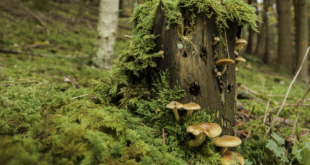
navigation using trees
The attentive wilderness traveler often can observe how trees in a given area have been influenced by the prevailing wind to lean in a particular direction. However they are affected by many factors and confirm your findings by observing several trees in the same neighbourhood.

A number of pointers that will be useful (in the northern hemisphere the sun side is the side facing south) :

- - - - - - - - - - - - - - - - - - - - - -
Probably more foliage on the sunny side.
- - - - - - - - - - - - - - - - - - - - - -
The bark of old trees is usually thinner on the sun facing side.
- - - - - - - - - - - - - - - - - - - - - -
The heart of a tree is nearer the bark on the sun facing side. The various rings which are formed in the trunk are thinner on the side faces the sunny side.
- - - - - - - - - - - - - - - - - - - - - -


Wilderness navigation using moss
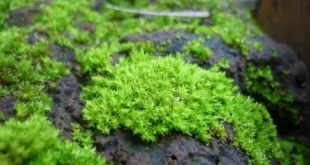
navigation using moss
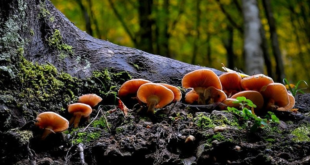
The old saying that moss grows on the north side in the northern hemisphere is only partially accurate.

Moss and lichens do not necessarily thrive where they receive the most shade but - and this is important - where the moisture is retained the longest. Humidity is an even greater factor than shade. Each locality has its difference in climate, and you should determine for yourself which side retains moisture the longest in your particular area. Only in this way can mosses and lichens be a valuable guide to direction.


Join the “Good content” web builder community!

Most people are searching the internet for information – useful information. Information about almost everything - traveling, backpacking, be a parent, growing flowers, etc……the list can be long, very long……. For example, you are visiting this site because you are looking for information on wilderness survival.

Have you thought about to build your own personally website, a niched website with good content?


Read, why I built this site!


Return from "Wilderness navigation using natural features"
to "Finding direction without a compass"


Back to: Wilderness survival skills homepage


footer for wilderness navigation page