Home
Basic rules
Basic concepts
Prepare your trip
Gear
Gear Store
Survival kit
Survival knife
Shelter
Build a fire
Start a fire
Finding water
Survival food
Signaling for help
Navigation
First Aid
Predict weather
Quiz
Survival tips
Survival Books
Survival courses
Submit your story
Survival Blog
SiteSearch
Privacy Notice
Contact me
About this site

XML RSS
What is this?
Add to My Yahoo!
Add to My MSN
Add to Google
 

Building a survival shelter

A good wilderness survival shelter must protect you from the elements and be comfortable enough for resting and sleeping. Being able to rest and sleep are vital for your physical health - and your will to survive.


Climate

The importance of a shelter is, of course, determined by the climate. But if you face a wilderness survival situation in harsh or unpredictable weather, building an emergency shelter is an absolute priority.

Most people cannot survive unprotected from rough weather for more than a few hours. Beware of hypothermia symptoms!


Shelter site

wilderness survival shelter Make sure your outdoor survival shelter site is as safe as possible and easy to be seen and found by search and rescue teams.

Choose ground that is dry and well drained, reasonably flat and free of rocks. Avoid loose rocks, dead trees or other natural growth that could fall on your shelter. Ideally you should be near water, but too close to water may lead you to troubled by insects.

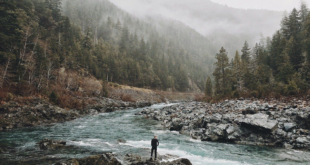
River presents a constant threat to safety. Heavy rainfall in nearby hills can easily create flash floods. Avoid even dry riverbeds.

Low ground such as ravines and narrow valleys could be damp and collect the heavy cold air at night and are therefore colder than the surrounding high ground. On the other hand, the tops of mountains are exposed to higher winds. The best is to seek shelter somewhere in between.


Basic wilderness survival shelter

outdoor survival shelter If you have added a shelter tarp, an emergency blanket or an extra poncho to your gear, you are almost done with your shelter building. But if you lack equipment, local conditions and materials will determine the type of wilderness shelter you build.


Natural cover


emergency shelter


Do not overlook natural formations that provide shelter. Examples are caves, rocky crevices and large trees with low-hanging limbs.


Shelters made of natural materials

If no natural formation is available to provide shelter, you will need to build your own. Make your shelter just large enough to accommodate you, especially in cold climates, because you are going to have to heat it.

One of the best wilderness shelter is called the "debris hut". When shelter is essential to survival, if possible, build this survival shelter.

If you do not want to spend too much time and effort to build your shelter. Probably the quickest type of wilderness shelter to build is the lean-to shelter.


More tips and advice

Read what other readers have to say about how to build a shelter in the wilderness.


Back to: Wilderness survival skills homepage


footer for survival shelter page